
Solutions
Timetabling for engineering faculties
Engineering timetables fail on capacity, not on clashes. A cohort of two hundred attends one lecture and then splits into twelve laboratory groups that must all pass through four laboratories over the same week.
The laboratory bottleneck
Laboratory capacity is the constraint that dominates engineering scheduling, and it is unusually rigid: a laboratory holds a specific number of workstations, each session needs specific equipment, and a technician has to be present. Unlike a lecture theatre, you cannot solve overcrowding by finding a bigger room.
That forces cohort splitting, which multiplies the number of sessions and the number of ways they can collide. Twelve laboratory groups rotating through four laboratories across a week is a scheduling problem that people genuinely cannot solve well by hand, and it is exactly what constraint-based generation is for.
- Hard laboratory capacity as a room-level constraint
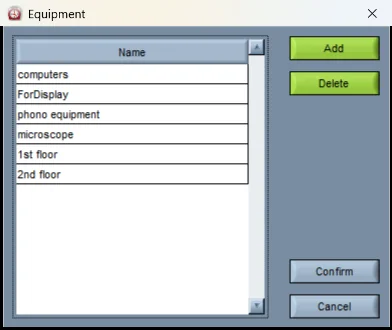
- Equipment and facility requirements attached to session types
- Technician availability treated alongside lecturer availability
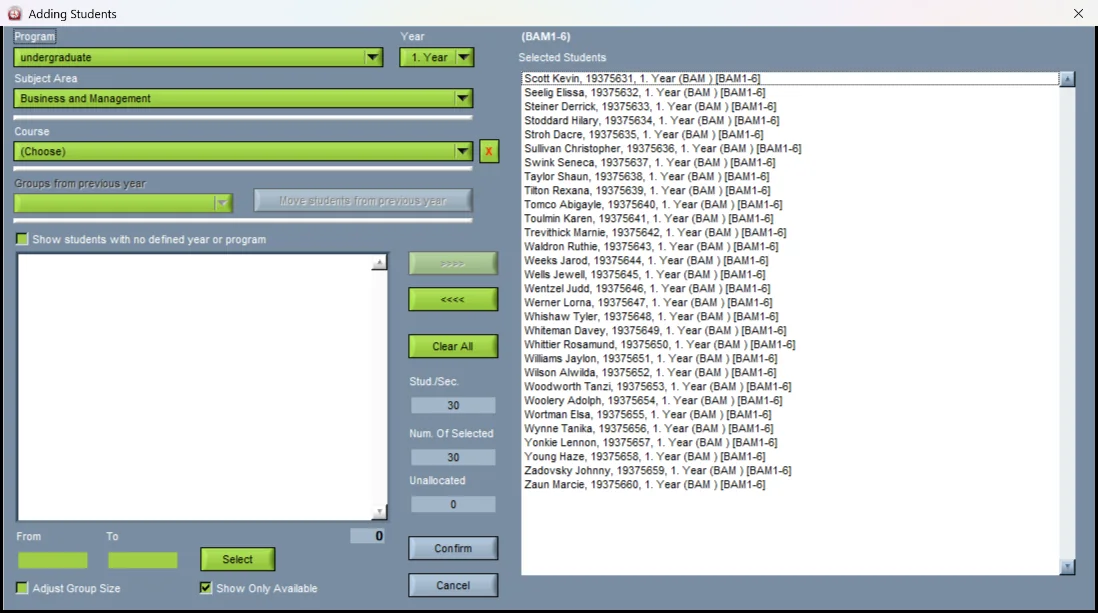
- Cohorts split into practical groups with independent scheduling
- Group sizes calculated automatically across combined cohorts
- Room locks where a session can only run in one specific laboratory
Heavy contact loads, and what they do to students
Engineering programmes carry some of the highest contact hours in a university, which makes the difference between a well-optimised and a badly optimised timetable much more visible to students. A day with three separated two-hour gaps is a lost day.
Break distribution can be optimised specifically for students rather than for staff, and teaching load can be condensed or spread as your faculty prefers. Because generation takes under a minute, you can produce both and compare them on the reporting figures rather than arguing about it.
See Wise Timetable on your own data
Book a 45-minute online presentation. We will walk through your institution's scheduling problem, show how Wise Timetable handles it, and answer anything your team wants to test.