
Building the timetable
Optimising the result
A conflict-free timetable is the minimum, not the goal. The question is whether it is a good timetable — for students, for staff, and for the estate you are paying to heat.
Generate several, then choose
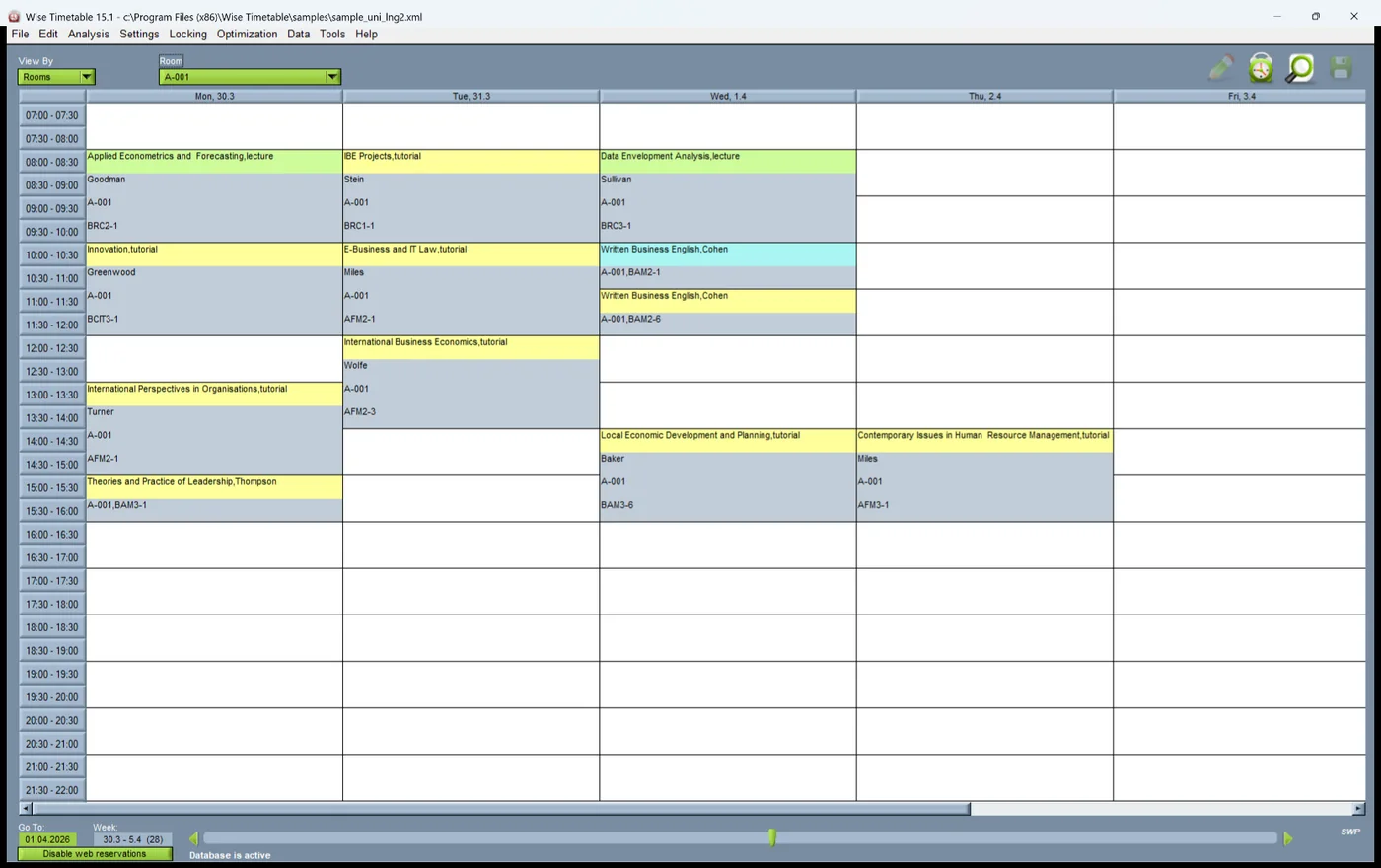
Because generation takes under a minute, producing multiple variants with different parameters costs almost nothing. Run one that condenses teaching into fewer days, one that spreads it evenly, one that prioritises student breaks over lecturer breaks — then compare them against each other before committing.
You can create and save unlimited timetable simulations, each with different parameters or constraints, through the administration console. That means scenario planning without any risk to the live schedule.
What optimisation is actually trading off
These goals genuinely conflict. Being explicit about the trade-off is the point.
- Compact teaching days for staff against gap-free days for students
- High room utilisation against travel time between buildings
- Even workload distribution against individual lecturer preferences
- Preferred rooms against overall capacity efficiency
- Morning-heavy scheduling against evening availability of part-time staff
Reporting that shows you whether it worked
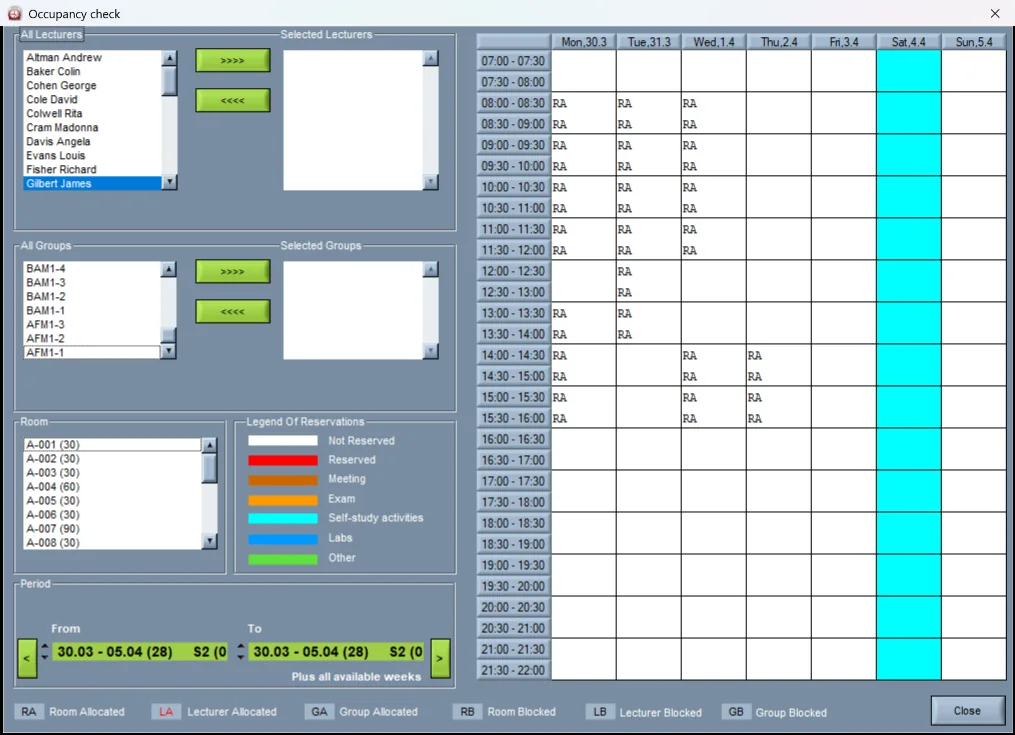
Optimisation without measurement is guesswork. Wise Timetable reports on room utilisation, lecturer workload distribution and unallocated sessions, so you can compare variants on evidence rather than impression — and defend the choice you made to a committee afterwards.
These are also the numbers senior management asks for. Room utilisation in particular tends to drive capital decisions about whether a new building is genuinely needed.
See Wise Timetable on your own data
Book a 45-minute online presentation. We will walk through your institution's scheduling problem, show how Wise Timetable handles it, and answer anything your team wants to test.